
Neutrophil
RusherThe usual first responder: a fast swarmer that weaves side to side as it rushes you and hurts on contact. Weak alone, but it turns up everywhere and gets dangerous in packs.
Real immune cells, each with a job that becomes a fighting style. Get noticed and the host escalates: hunter squads, treatments, Killer T cells, elite cells with affixes, and an adaptive immune system that learns how you play.
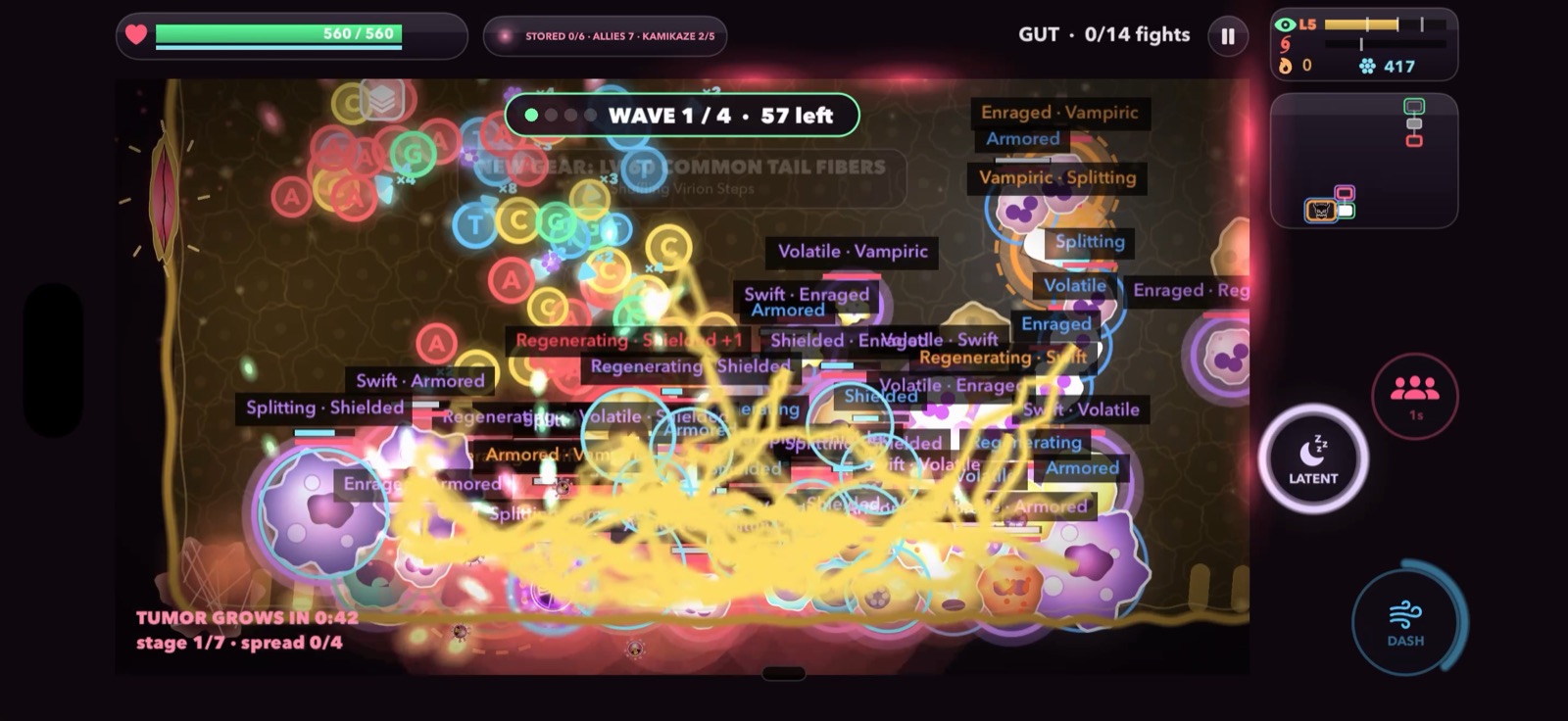
Know your enemy
The white blood cells, antibodies and clotting fragments you'll meet in every fight. Each hunts you its own way, and most can show up as elites.
The usual first responder: a fast swarmer that weaves side to side as it rushes you and hurts on contact. Weak alone, but it turns up everywhere and gets dangerous in packs.

Tiny, fast Y-shaped antibodies that zig-zag straight at you and pop in a single hit. A fresh swarm joins every fight on top of the room's usual cells, so something is always incoming.

A skittish cell that slides along walls to run away from you, and it's worth chasing for its extra nucleotides. Pin it in a corner, though, and it flashes red and turns on you.
Keeps its distance and fires antibody shots that slow you down, sometimes several at once. Getting slowed while other cells close in is how many runs end.
A big, tough cell that creeps after you, then swells up and charges down a marked red line to engulf you. It soaks a lot of hits and its touch hurts badly, so sidestep the charge.
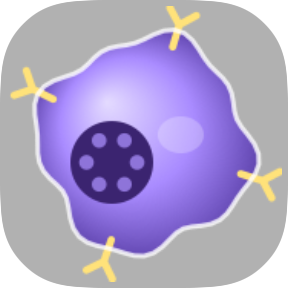
Hangs back at range and keeps budding fresh antibodies, and some pulse visibly and bud even faster. Ignore it and the swarm never ends, so make it an early target.
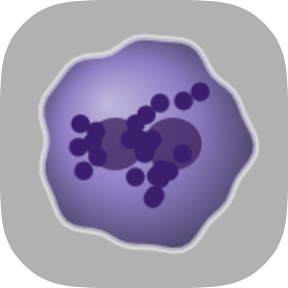
Weak but pushy, it chases you and pulses histamine that riles up every nearby cell and makes you swell up and slow down. When it dies, its heparin dissolves nearby clots.
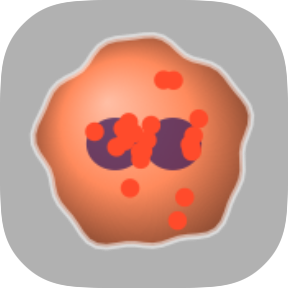
A mortar cell that keeps its distance and lobs toxic granules where you're heading. They land on warning circles and leave acid pools that burn anything inside, so lure other immune cells into them.

Small, fast clotting fragments that clump together as they swarm you. Every one that dies leaves a sticky fibrin clot on the floor that badly slows you, so watch where you fight.
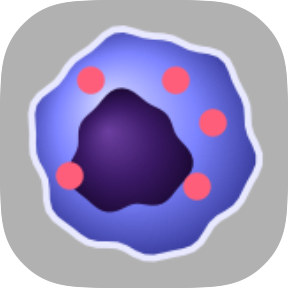
Stalks you, then swells up and blasts perforin in a wide ring around itself for heavy damage. The moment it starts to swell, back off or dash away.
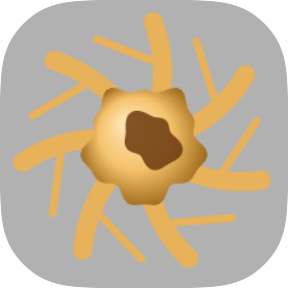
It never attacks. Instead it keeps its distance and studies you, glowing brighter, and if it watches too long it presents your antigen and alerts the whole room. Break line of sight or kill it fast.

A stationary protein cluster that fires slow, homing orbs whenever it can see you. It never moves and never gives up the hunt once alerted, so use cover or take it out.
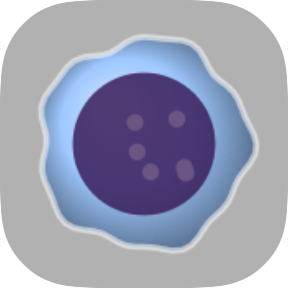
Remembers you: the moment it spots you it fires a fast aimed burst, then steady volleys. It also remembers the last shot type that hit it and shrugs that type off until you switch.
Deeper inside
From the Lymph Node down, each organ fields its own specialists: buffers, stealth hunters, cell factories and cells that rewrite the floor under you.
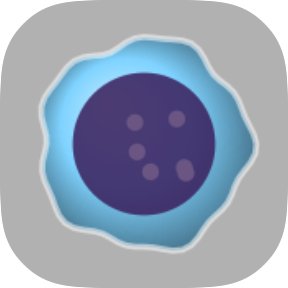
Hangs back and pulses cytokines that make every nearby cell faster and harder-hitting. A few helpers can keep a whole room buffed, so they're worth hunting down first.
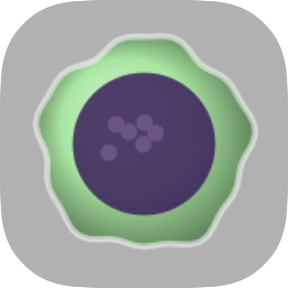
Small, fragile young T cells that drift around you in packs. Every time you dash, every thymocyte nearby dashes straight at you too, so pick your dashes carefully.

Slow, weak and harmless at first, with a ring that slowly fills. When the ring completes, it grows into a full lymphocyte that's already hunting you, so catch it early.
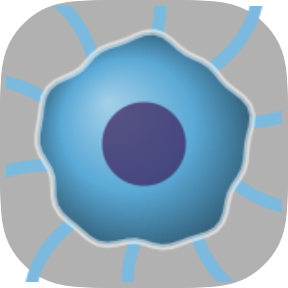
A stationary cell sitting in a sticky web that slows you while you're inside. It fires rotating rings of slowing shots, so don't linger in its web.
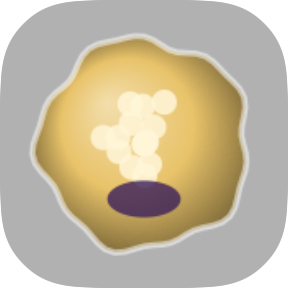
A Gut cell that lobs blobs of mucus at where you're standing. A warning circle shows first, then the glob lands and leaves a sticky puddle that slows you.
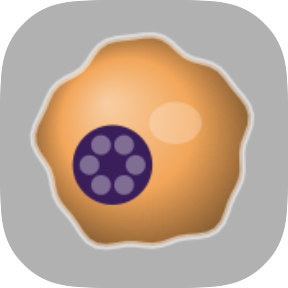
A Gut and Liver cell that keeps its range and fires spreads of sticky antibodies. Each hit slows you, which makes everything else in the room more dangerous.
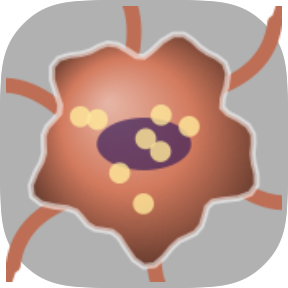
A Liver cell that weaves toward you, leaving patches of scar tissue behind it. The longer it lives, the harder the floor becomes to move across.
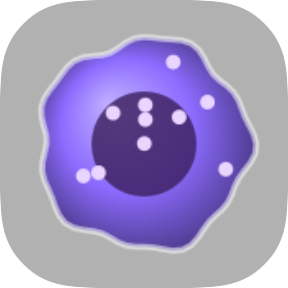
Almost invisible while it stalks you. It appears with a '!' right next to you, lunges for heavy damage, then fades out again to line up its next strike.
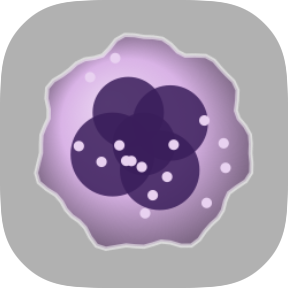
A huge, tough Bone Marrow cell that keeps shedding platelet swarms and bursts a ring of fragments when you get close. Kill it to turn off the platelets.
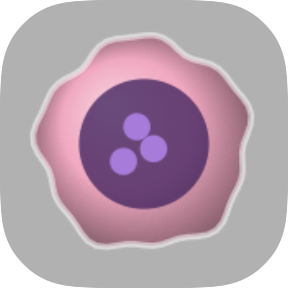
Fast and fragile, it rushes straight at you, and when it dies it bursts into a few fresh neutrophils already on the hunt. Kill it from range, not point-blank.
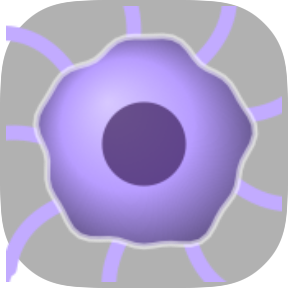
A Brain cell that hangs back and wraps nearby cells in protective shields, refreshing them as they break. It never shields bosses, but it can make a crowd much harder to crack.
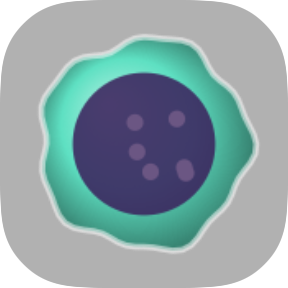
A Brain cell that teleports right next to you every few seconds and fires a fan of shots with very little warning. Between blinks it only shuffles along slowly.
Mini-boss
Let Detection max out and the immune system dispatches Killer T cells: elite hunters that follow you room to room. Each generation you destroy trains a stronger one.
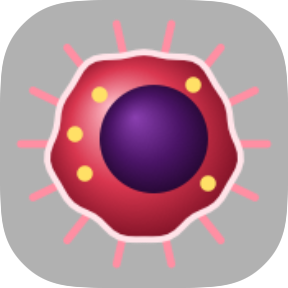
A red, spinning cytotoxic T cell that stalks you, winds up and lunges at high speed. It never gives up the hunt, and every generation comes back bigger, tougher and faster.
The first Killer T arrives alone with a single skill: the lunge. It's your introduction to the hunt, and a chance to learn its wind-up before things escalate.
Still a lone hunter, but every lunge now ends in a ring of perforin shots fired in all directions, and the lunges come a little more often.
Killer T cells now hunt in pairs and fire homing granzyme shots whenever they can see you, on top of a bigger perforin ring after each lunge.
Clonal expansion: once badly wounded, each Killer T splits off a smaller clone of itself. The clones fade when the rest of the pack falls, so focus the originals.
Packs of three with wider granzyme volleys and the fullest perforin rings. Every later generation keeps getting tougher, faster and quicker to lunge.

Once dispatched, a Killer T pack bursts in from the far side of the room and follows you through every door, keeping its wounds, until you destroy it or reach the next organ.
Killing a Killer T cell doesn't end it: two smaller, faster copies burst out and keep hunting, and those split once more. Only the originals drop loot.
Wipe out the whole pack and Detection drops way down and freezes for a moment, giving you room to breathe. The immune system then trains a stronger generation for next time.
Host fights back
When Detection runs high, the host takes medicine. A warning pulses, then a dose floods the room with drug capsules, vaccine vials and the cells they rally.

Once Detection runs high, the host may take a treatment. A tinted warning pulses over the room, then the dose arrives: survive it for a reward, or walk out of the room to escape it.

Drug capsules flood in with antibodies and neutrophils, and the drug in the blood slows your firing for as long as it lasts. Retrovirus faces an antiretroviral version instead.
Trained antibodies, B cells and plasmablasts rush in, shielded by the vaccine, and every immune cell takes less damage while the dose lasts. Retrovirus gets PrEP instead.

Interferon puts the host on high alert: NK cells, antibodies, neutrophils and monocytes swarm you, and every hit you take lands harder until it wears off.

When cancer spreads into a new organ, the host may answer with radiation. The tumor shrinks a stage, but it scorches you too and leaves you sick for a while.

An antiviral capsule that hides behind the nearest crowd of immune cells inside a wide cloud. Inside the cloud you fire and move slower, and it keeps healing the cells around it.

Retrovirus's own antiretroviral capsule. Inside its cloud you fire and move slower, and the immune cells around it get a speed boost.

A vaccine vial that trails the crowd from behind and projects a large protective ring. Immune cells inside it take only a fraction of your damage.

Retrovirus's protective capsule. Every few seconds it wraps the immune cells inside its ring in fresh shields, so the crowd around it keeps getting tougher.

Drug capsules and vaccine vials work from the back line. The more immune cells around them, the tougher they get, but caught alone in the open they're very frail.
Immune cell activation
Any regular cell can roll a tier, coloured like gear from white to prismatic. Higher tiers are bigger, tougher, hit harder and drop far better loot.

Every regular cell rolls a tier as it spawns. Deeper organs and a higher Immune Alert make elites far more common, until nearly everything you face is Rare or better.

An ordinary cell with no bonuses and no affixes. It's the baseline every other tier builds on, with standard loot to match.
A slightly tougher cell marked by a green ring. It has no affixes yet, but it pays out more nucleotides and can occasionally drop gear.
The first true elite: a blue ring, a name tag over its head and one affix. It's tougher, quicker and pays better, with a small chance of a run modifier.
A glowing purple elite with two affixes and a thicker ring. It hits noticeably harder and drops Chaperone Proteins, with a slim chance of an extra life.
An orange elite with a rotating dashed halo and a coloured glow. It's much tougher and often drops gear and a Ribozyme Core, which comes as Chaperone Proteins outside Endless Game Mode.
A red elite carrying three affixes that always drops gear. It's big, fast and hits hard, but its loot pile is worth the fight.
The rarest tier: a rainbow-ringed cell with four affixes and the richest loot a regular cell can drop, including guaranteed gear that's Epic wherever the organ allows it.
Name tags
From Rare up, elites roll named affixes shown on their tags. The rarer the tier, the more affixes stack on a single cell.
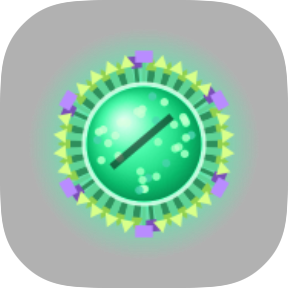
This cell moves much faster than a normal cell of its kind, on top of any speed its tier already gives it. Cells that can't move never roll it.

Carries a grey armor bar that has to be broken before you reach its health. Armor soaks a lot of each hit, but explosive shots crack it much faster.
Wrapped in a cyan shield bubble that soaks damage before armor or health ever take a hit. Electric damage tears through shields faster, so it's worth bringing some.
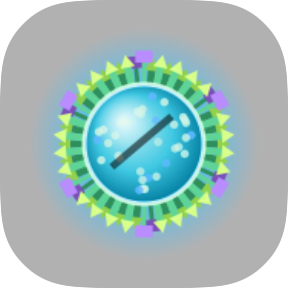
Heals itself whenever it's left alone for a moment. It can't out-heal steady pressure, so once you start on it, don't leave it half-finished.
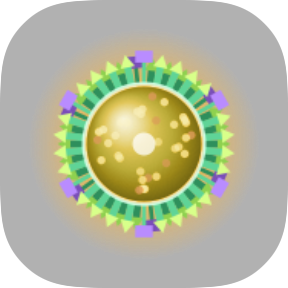
Heals every time its touch hurts you, so the longer it stays on you, the harder it is to put down. Bosses with this affix heal far less per touch.
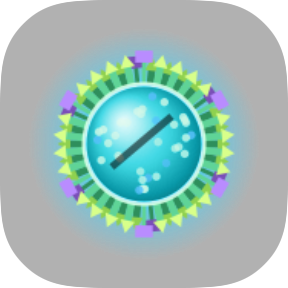
Bursts in an explosion when it dies, hurting you if you're too close. Finish it from range, or your death card will read CAUGHT IN AN EXPLOSION.
Splits into two smaller copies when it dies, and both come out already hunting you. Bosses, Killer T cells and cells that can't move never roll it.
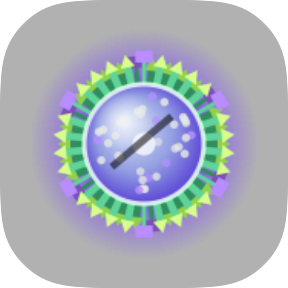
Turns red and fiercer once it's badly hurt, moving faster and hitting harder for the rest of the fight. Cells that can't move never roll it.
Stealth and alarm
Cells start each fight unaware of you. Get spotted, fight loudly and rack up kills, and the Detection meter climbs, calling in squads, treatments and Killer T cells.
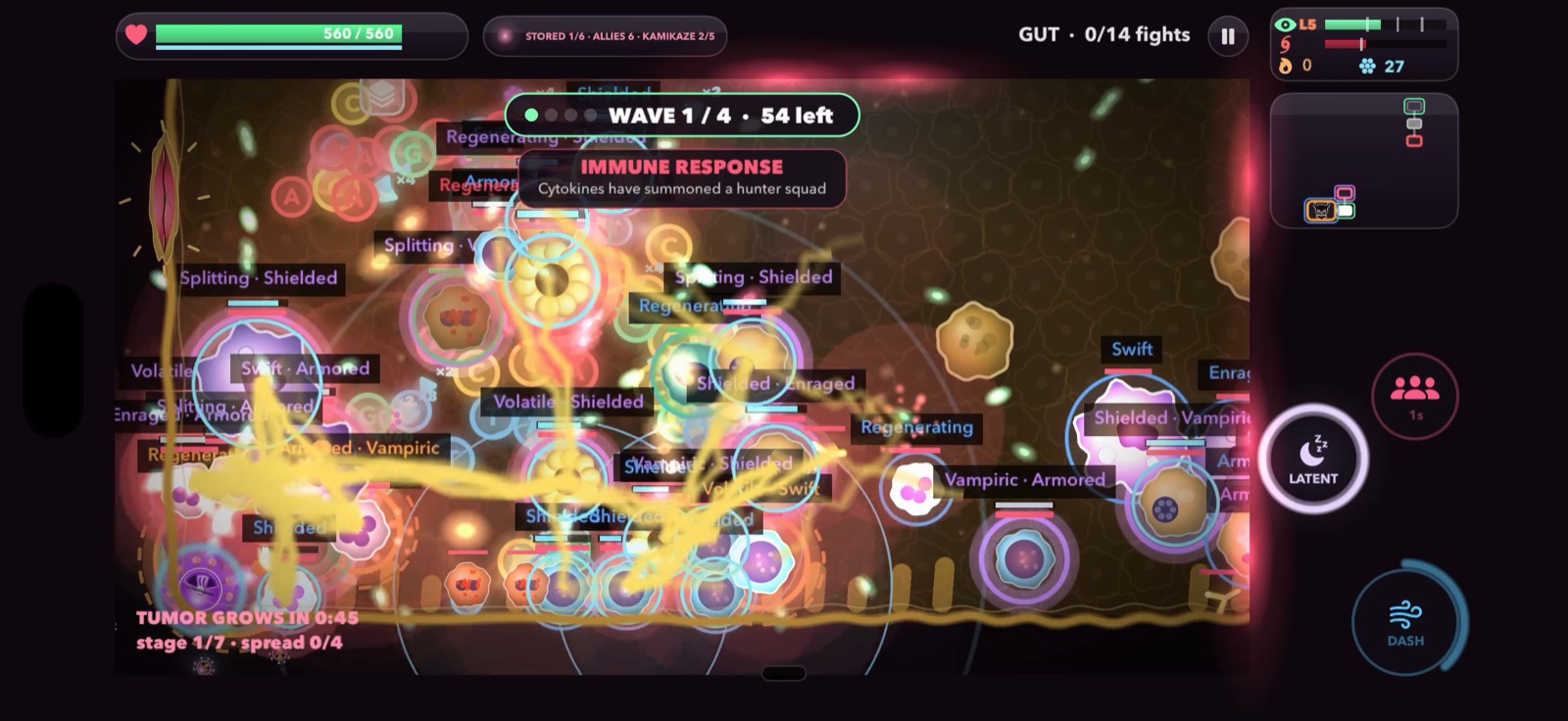

A fight's first wave waits around the room unaware, wandering near where it started and sweeping a visible sight cone. Stay out of sight and you get to pick your fights.

Catch a cell unaware and your shot hits much harder, marked AMBUSH. Your auto-attack waits until you've crept close, and unaware kills raise Detection less.
The eye meter at the top right tracks how aware the immune system is of you, shifting from calm green through yellow to pulsing red as things heat up.
Each section of the meter brings a bigger immune response: first hunter squads, then a chance of treatment, and finally Killer T cells once it fills completely.

Cytokines call in a squad of cells that already know where you are, entering through the door or corner farthest from you. Each squad in a run is bigger than the last.

There are several ways to bring Detection back down and shake hunters off your trail, from resting in a Refuge to solving receptor puzzles.

A fever that keeps rising as the run goes on, shown by the flame in the HUD. The longer you take, the tougher the whole immune system gets.
Fights come in waves: a big placed wave that starts unaware, then smaller reinforcement waves that pour in already hunting. Bigger rooms and later organs add more waves.
It learns
The host doesn't just send cells, it studies you. It grows with every organ, resists your favourite shot and answers a runaway build with a Cytokine Storm.

The host's defences mature over a run, shown as a level beside the Detection eye. It rises as you reach new organs and destroy Killer T packs, and it sets how big treatment doses get.

Lean too heavily on one shot type and the immune system starts resisting it, with a HUD warning to tell you. Mix up your shots and the resistance fades.
Several cells remember what you did to them and come back better prepared, from Memory B cells shrugging off your last shot type to Killer T generations returning stronger.

A thin hurricane meter under Detection shows how far ahead of the curve your build is. Kill too fast or take too little damage, and the immune system answers with adapted crimson cells.
Past the storm's mark, some new cells arrive ADAPTED, wrapped in a pulsing crimson halo. They're tougher, faster, harder-hitting and built to punch through your defences.
If the storm stays full, it keeps surging higher the longer you fight, with no limit. More cells adapt and the crimson ones grow tougher with every surge.

Helper T cells and Basophils pulse signals that rile up every cell around them, making them faster and harder-hitting. Buffed cells glow blue, so you can spot them.
Every organ's immune cells have more health, hit harder and move faster than the last, and the Brain hides behind a blood-brain barrier that shrugs off part of your damage.
Next up
Tumors that grow on a timer, spread, send assassins and follow you deeper.