

Generations
Core loopEach Infect Game Mode run is one generation of your virus, born with at most one strain mutation. The lineage remembers every generation: rooms cleared, kills, traits picked and whether it took the host.
Each run is one generation of your virus. Strains mutate it, legacy bonuses carry forward, and every host has a genome and conditions of its own. Some hosts have fur, feathers or flippers.
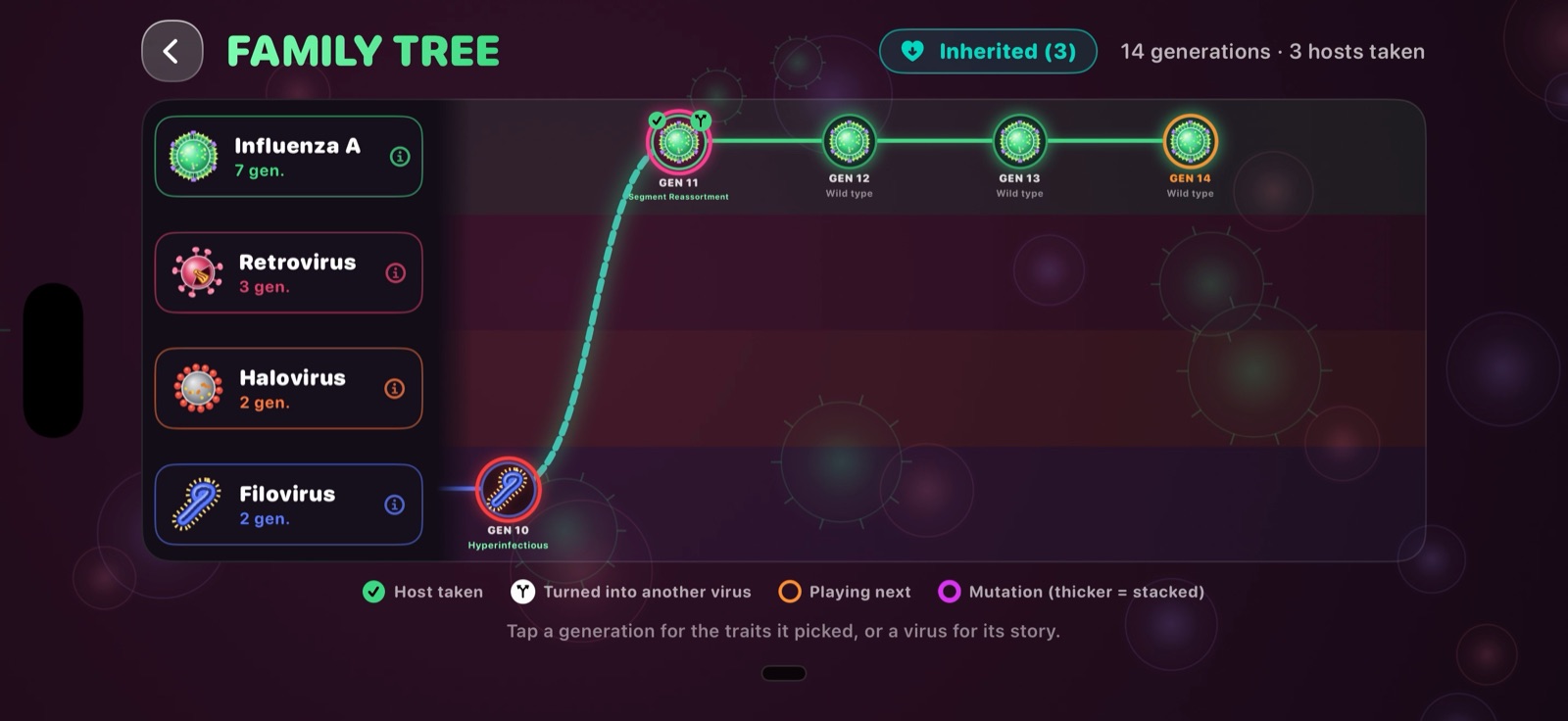
Lineage
Every Infect Game Mode run is one generation of your virus. Afterward you pick the next one's mutation, and each finished generation leaves a small lasting bonus.
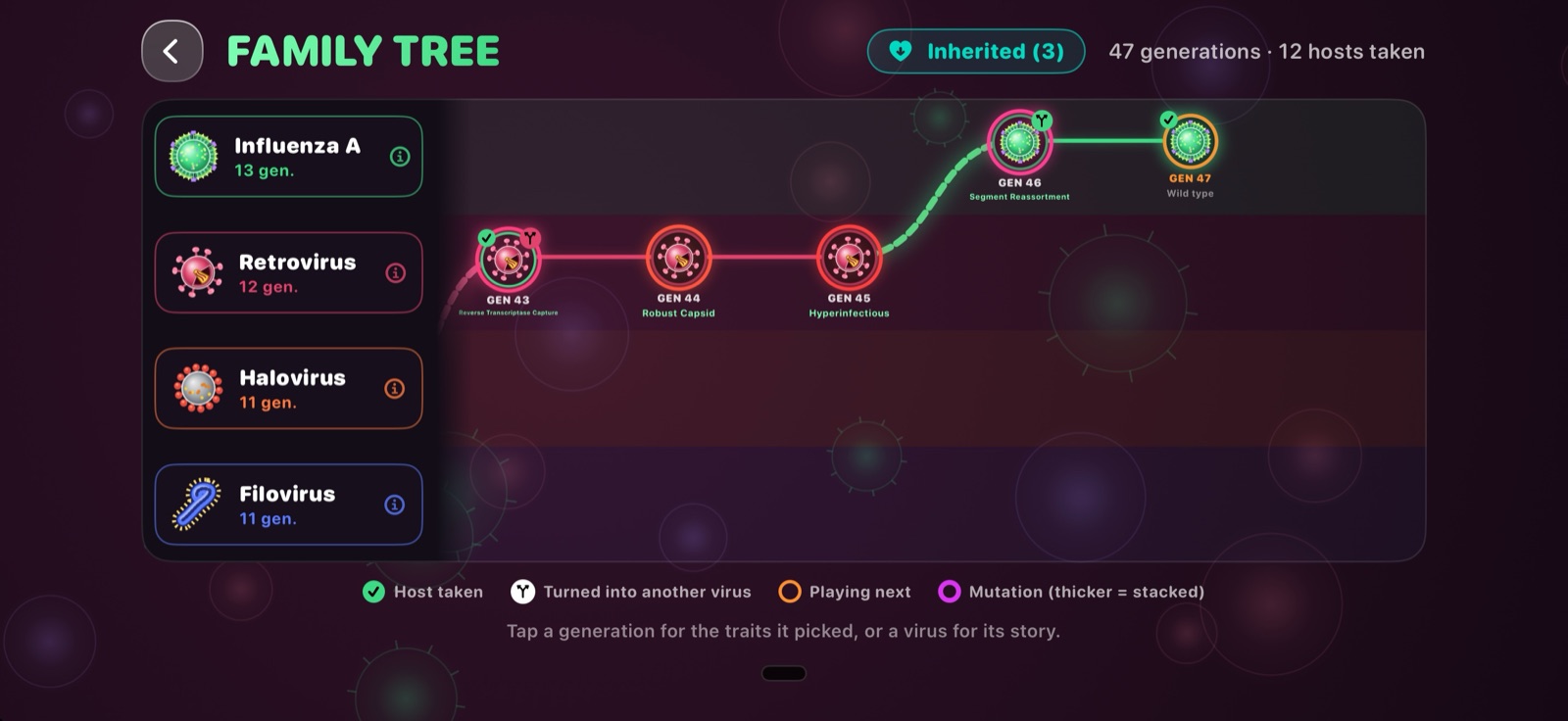
Each Infect Game Mode run is one generation of your virus, born with at most one strain mutation. The lineage remembers every generation: rooms cleared, kills, traits picked and whether it took the host.

All four viruses share one lineage, with the same level, skill tree, Petri Lab and gear. A generation's mutation decides which virus it is, and it keeps its parent's virus unless it jumps.
Influenza A generations are named like real flu strains, with a type, a place, the generation, a year and a subtype. The place comes from real cities and regions like Brisbane, Hong Kong, Lagos or Kyoto.
Retrovirus generations get an RTV tag with a group and clade letter, followed by a place such as Lagos and the generation number, so every one of them has a lab-style name of its own.

Filovirus generations are named with an FLV tag, a variant such as Cinder, Garnet, Vesper, Thorn or Ember, a place like Nairobi and the generation number.
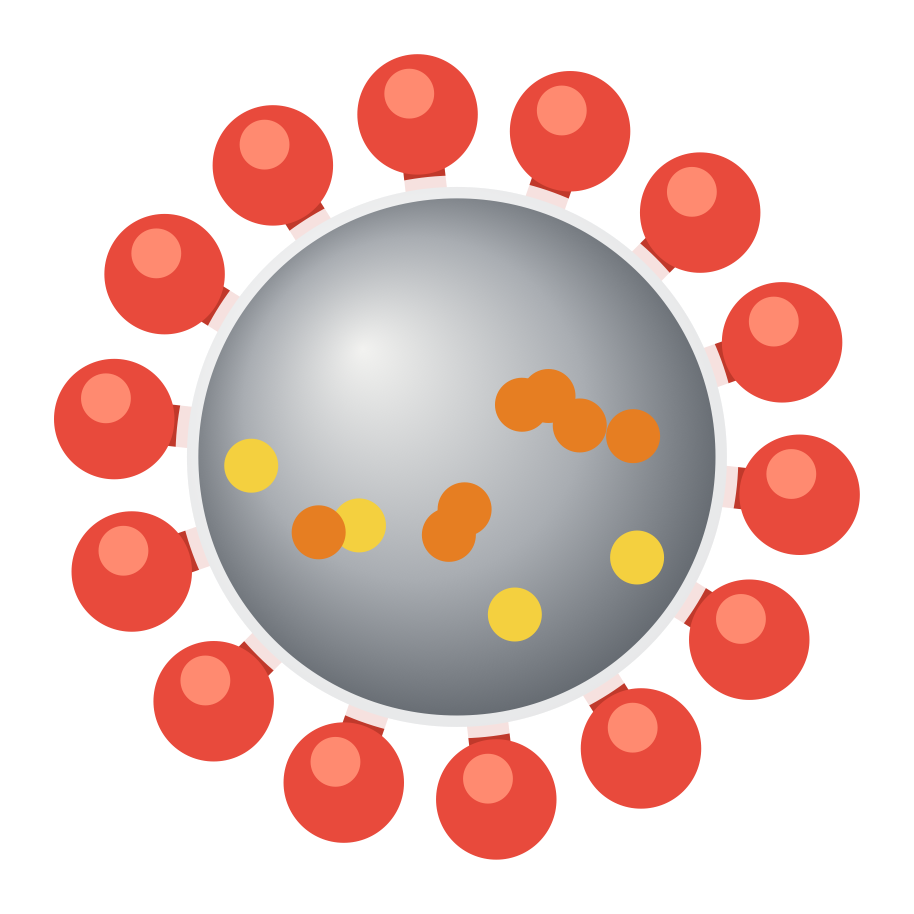
Halovirus generations carry an HLV tag, a short lineage code, a place such as Bangkok and the generation number, giving each generation in your family a name of its own.
When an Infect Game Mode run ends, win or lose, you choose from a few strains for the next generation. Picking the parent's strain again stacks it, some offers jump to another virus, and one always keeps your virus.

Inheriting the parent's strain stacks it, so each generation in a row makes it stronger. Its bonuses keep growing up to set limits, and a stacked strain also leaves a bigger legacy behind.
Four special boon strains turn your lineage into a different virus for the next generation. The Retrovirus, Halovirus and Filovirus jumps open as you level up, and each jump draws a dashed branch into a new lane.
New kinds of strains join the offers as your level and lineage grow: boons from the start, then mixed strains, then curses, and finally powerful elite strains. Virus jumps open along the way.
Every finished generation that carried a strain passes a small permanent bonus to all later ones. The strain picks the stat, its kills and stacks decide the size, and bonuses add up toward a cap.

Strains that boost damage or add projectiles leave extra damage for every later generation. Hyperinfectious, Twin Genome, Glass Cannon, Shotgun Genome, Loud and Proud and Segment Reassortment all feed it.

Strains that raise max HP leave your later generations a little tougher. Robust Capsid, Juggernaut, Reverse Transcriptase Capture and Filovirus Spillover all build toward this bonus.

Strains that make you or your shots faster leave extra move speed behind. Streamlined, Long Reach, Frenzy and Spike Recombination all add to it for later generations.

Strains that make you fire faster leave a quicker fire rate for every later generation. Rapid Assembly, Berserker Strain and Lean Genome all build toward this bonus.
Healing strains leave a little health regeneration behind, so later generations slowly mend over time. Vampiric Uptake, Nutrient-Rich Host, Steady Replication and Bloodlust all add to it.

Stealthy strains make Detection rise slower for every later generation, so your lineage gets better at slipping past the immune system. Silent Spread, Evasive Proteins and Ghost Strain feed it.

Curses and loot strains leave richer hosts, meaning more nucleotides for every later generation. Every curse feeds it, along with Magnetic Capsid, Fortunate Strain, Mutagenic, Cramped Host and Gambler's Genome.
Strains that speed up your ultimate or Shift leave faster ultimate charging for every later generation. Ancient Memory, Overcharged and Overclocked Ultimate all build toward it.

Defensive strains help later generations take less damage from every hit. Lysis Cascade, Envelope Shield, Barbed Spikes and Chain Reaction all leave a little armor behind.

Ambush Predator is the only strain that feeds this bonus, leaving stronger ambush hits for every later generation. Keep passing it down and your lineage becomes a patient, deadly hunter.
Tap Lineage on the main menu's virus card to see every generation as a branching tree, with one lane per virus. Tap any generation for its name, virus, strain and the traits it picked.

Every strain has its own signature colour that tints your virion and gives it a glowing corona. The corona grows as the strain stacks, and a dashed ring circles your virion once it does.

Finished generations open features alongside your level: the Shift button and Ultimate, Hosts and Host Traits, deeper starting areas, new kinds of strains, rarer traits and more of the skill tree.
Mutations
Strains are mutations a generation is born with: boons, mixed trade-offs, curses that pay bigger rewards, and virus jumps. Inherit one again and it grows stronger.
A simple, reliable boon that makes every attack hit harder. Stack it across generations for even more damage, and it leaves a lasting damage bonus to your lineage.
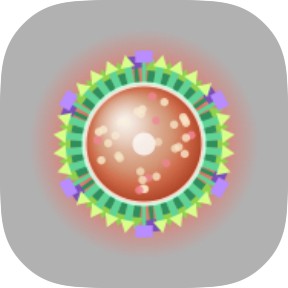
A tougher shell: this boon raises your max HP so you can shrug off more hits. Stacking it adds even more health, and it leaves a max HP legacy behind.
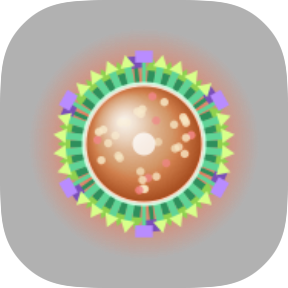
A sleeker virion that moves faster through every room, great for dodging and repositioning. It gets quicker with each stack and leaves a move speed legacy.
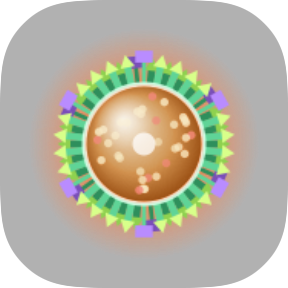
Your virus assembles shots faster, so you fire at a quicker pace. Stacking it speeds you up further, and it passes a fire rate bonus down your lineage.
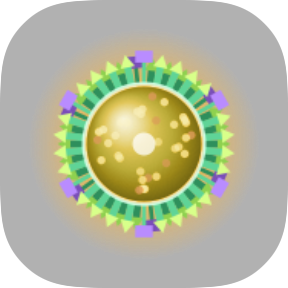
Your auto-attacks heal you for a small share of the damage they deal, keeping you topped up while you fight. It heals more when stacked and leaves regeneration behind.
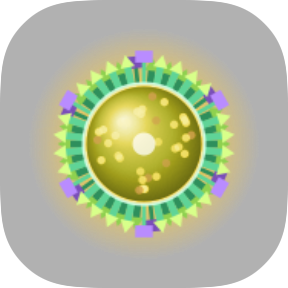
Every kill feeds you a little health, rewarding you for clearing crowded rooms. Stacking it makes each kill heal more, and it leaves a regeneration legacy.
You slowly regenerate health over time, even in the middle of a fight. Stacking it speeds up the healing, and it passes regeneration on to later generations.
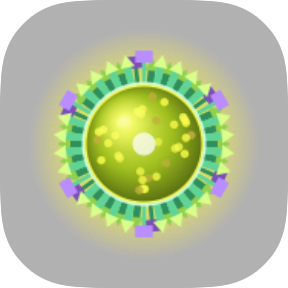
A protective envelope blocks the first hit you take in every room. Each stack blocks one more hit, up to a limit, and it leaves an armor legacy behind.
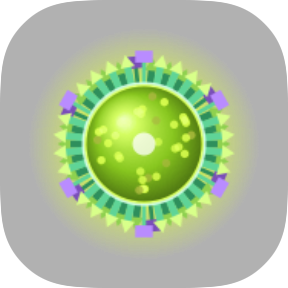
Detection rises more slowly, letting you spread quietly before the immune system catches on. Stacking makes you even harder to notice, and it leaves a stealth legacy.
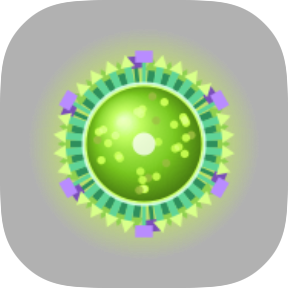
Immune cells can't see as far, so you can slip closer before they react. Stacking shrinks their sight even more, and it passes a stealth bonus down your lineage.
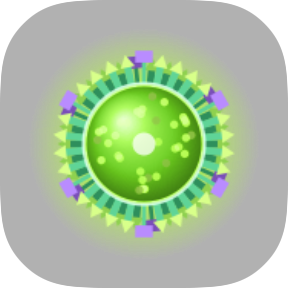
Your surface bristles with spikes, so any cell that touches you takes damage. Stacked, the spikes hurt more, and the strain leaves an armor legacy behind.
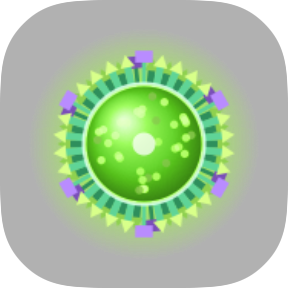
Pickups are pulled toward you from much further away, and you collect extra nucleotides. Stacking widens the pull and the bonus, and it leaves a nucleotide legacy.
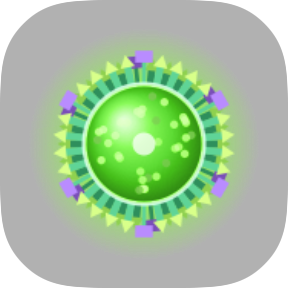
Your shots fly faster and pierce through extra cells, so one shot can hit several enemies in a line. Stacking boosts both, and it leaves a move speed legacy.
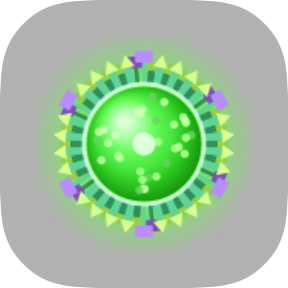
Ambush hits deal much more damage, rewarding you for striking before cells notice you. It grows with each stack and is the only strain that leaves an ambush damage legacy.
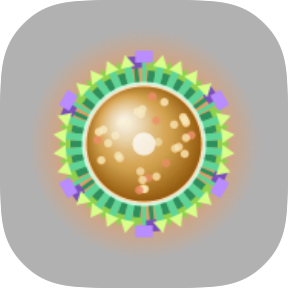
An elite boon that adds an extra projectile to every shot. Stacking it adds more, up to a limit, and it leaves a damage legacy. It unlocks later in your lineage.
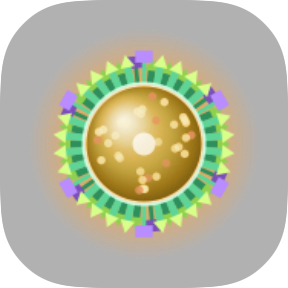
An elite boon: dying cells burst and damage their neighbours, turning crowded rooms against themselves. Stacked bursts hit harder, and it leaves an armor legacy behind.
An elite boon that starts your run with your ultimate already charged, then charges it faster. Stacking speeds the charge further, and it leaves an ultimate charge legacy.
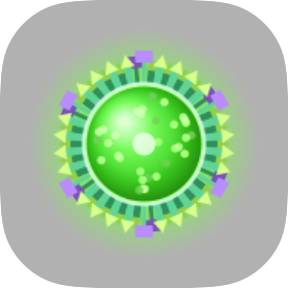
An elite boon for your Shift/Latency ability: it starts ready and recharges much faster. Stacking speeds it up even more, and it leaves an ultimate charge legacy.
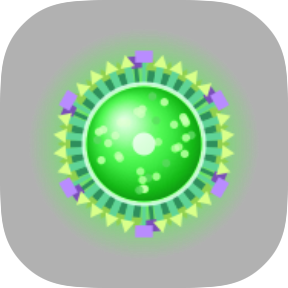
An elite boon that makes RNA strands drop far more often. In Infect Game Mode each RNA drop breaks down into nucleotides, while Pandemic Game Mode keeps the RNA itself.
An elite boon that makes cleared rooms leave mutation orbs much more often, giving you more chances to mutate during a run. It grows with stacks and leaves a nucleotide legacy.

A classic trade-off: you deal far more damage but have much less max HP. Stacking pushes the damage even higher, and it leaves a damage legacy behind.

You fire much faster, but clearing rooms no longer heals you, so damage you take sticks around. Stacking boosts the fire rate further and leaves a fire rate legacy.
Become a tank: a big boost to max HP in exchange for slower movement. Each stack makes you tougher and slower, and it leaves a max HP legacy.
Everything speeds up: you move faster, but so does every cell in the room. Stacking cranks up the pace for both sides, and it leaves a move speed legacy.
Fire a spread of extra projectiles, but each one deals less damage and flies slower. Stacking adds more shots with bigger drawbacks, and it leaves a damage legacy.
Dying cells burst and damage everything nearby, including you. It thins out crowds fast but makes close fights risky; stacks make the bursts bigger, and it leaves an armor legacy.
Your auto-attacks heal you for part of their damage, but clearing rooms doesn't heal anymore, so you stay alive by fighting. It heals more when stacked and leaves regeneration behind.
You hit much harder, but Detection rises far faster, so the immune system finds you sooner. Stacking amplifies both sides, and it leaves a damage legacy.
Cells can barely see you, but you have less max HP to work with. Stack it to become even harder to spot and more fragile; it leaves a stealth legacy.
Each organ has fewer rooms, but those rooms are packed with more cells. Runs get shorter and denser with each stack, and it leaves a nucleotide legacy.
A big nucleotide payout, but cells hit you much harder. Stacking raises both the reward and the risk, and it leaves a nucleotide legacy behind.
Your ultimate charges much faster, but Shift/Latency recharges more slowly. Great if you lean on your ultimate; it grows with stacks and leaves an ultimate charge legacy.
A stripped-down virus: you move faster and fire quicker, but with less max HP. Stacking sharpens both the speed and the fragility, and it leaves a fire rate legacy.

A curse that cuts your max HP in exchange for a big boost to nucleotides. Stacking it raises the reward, and like every curse it leaves a nucleotide legacy.

A curse that slows your movement but pays out extra nucleotides. Each stack slows you more and pays more, and it leaves a nucleotide legacy.

Immune cells are tougher, but you earn more nucleotides and more RNA. Stacking toughens the cells and sweetens the payout, and it leaves a nucleotide legacy.
Every room fills with more cells than usual, and you earn extra nucleotides for clearing them. Stacking packs the rooms even tighter for a bigger reward.
Immune cells move faster and are harder to outrun, but you earn extra nucleotides. Stacking makes them quicker still and pays more, with a nucleotide legacy.
Cells hit you harder, so every mistake hurts more, but you earn extra nucleotides. Stacking sharpens the risk and the reward, and it leaves a nucleotide legacy.
Detection starts higher and rises faster, so the host is already on edge. In return you earn extra nucleotides, and stacking raises both the pressure and the payout.
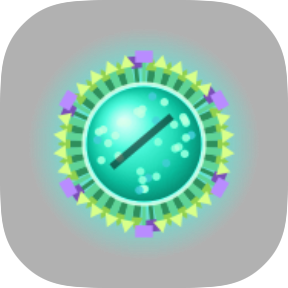
You can only see a small circle around you, turning every room into a tense crawl. The payout is extra nucleotides and much more RNA, growing with each stack.
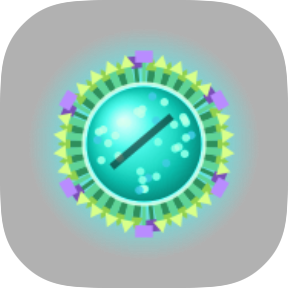
A Killer T cell is hunting you from the very start, so you're never truly safe. You earn extra nucleotides and RNA, and it only appears once Killer T Cells are introduced.
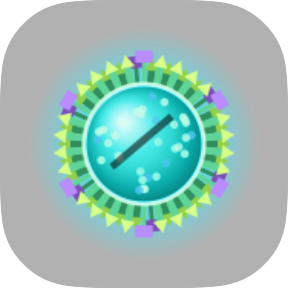
Clearing rooms no longer heals you, so the damage you take tends to stick. You earn extra nucleotides in return, and more with every stack.

Dying cells burst and can hurt you, so finishing enemies up close becomes risky. You earn extra nucleotides for braving it, and more with every stack.

Wounded cells slowly regenerate, so you need to finish what you start. In return you earn extra nucleotides, and more with every stack.

Enemy shots fly faster and are harder to dodge, but you earn extra nucleotides. Stacking speeds the shots up further and raises the payout.

The floor is riddled with many more pits, making every room trickier to cross. You earn extra nucleotides for the trouble, and more with each stack.

Every cell is already alert when you arrive, so there are no easy openings. You earn extra nucleotides in return, and more with each stack.

Every organ gets extra rooms, making each run a longer haul. You earn extra nucleotides along the way, and stacking adds even more rooms and reward.

Bosses get much tougher, turning every guardian fight into a longer battle. The reward is extra nucleotides and more RNA, both growing with each stack.
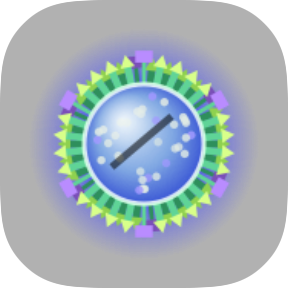
Your dash takes much longer to recharge, so every dodge has to count. You earn extra nucleotides in return, and more with each stack.
Your damage drops, so fights take longer, but you earn extra nucleotides. Stacking weakens you further and pays out more, with a nucleotide legacy.
A virus jump back to Influenza A, offered once your lineage has become another virus. It adds a small damage boost and leaves a damage legacy behind.
A virus jump that turns your lineage into Retrovirus, with a small max HP boost. It's offered once you reach the right level and leaves a max HP legacy.
A virus jump that turns your lineage into Halovirus, with a small move speed boost. It opens later as you level up and leaves a move speed legacy.
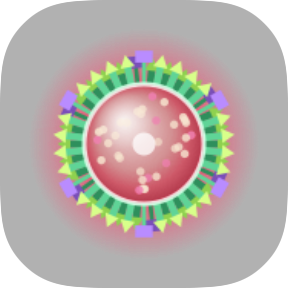
The last virus jump to open, turning your lineage into Filovirus with a small max HP boost. It leaves a max HP legacy for every later generation.
Hosts
Every Infect and Pandemic Game Mode run lands on a random host, usually a person, sometimes an animal, with a genome tier and hidden traits to discover.

Each run drops you onto a random host behind an INFECTED title. Usually it's a person, but sometimes it's an animal from the setting, anywhere from a city park to a polar research station.
Landing shows exactly who you infected: name, age, sex, genome tier, and every trait and condition with its effect and a real-world fact. Tap Begin infection when you're ready.
People get a first name and an adult age, while animals get their species name and an age in years. In Pandemic Game Mode, people take names from the city you're infecting.
Hosts carry hidden traits, always at least one that helps you and one that fights you. Rarer genomes carry more traits at greater strength, and animals add their species' signature trait.
The everyday host: a couple of traits at normal strength and no extra payout. It's the genome you'll meet most, and the least likely to come with a condition.
Shown in green, this genome has slightly stronger traits and a small nucleotide payout. You'll see it often, and it's a gentle step up from the everyday host.
Shown in blue, a Rare genome adds a third trait and stronger effects, plus a better nucleotide payout. Conditions also become a little more likely from here on.
Shown in purple, an Epic host carries much stronger traits. The good ones feel great and the bad ones bite, with a healthy nucleotide payout either way.
Shown in orange, a Legendary host carries a fourth trait, and all of them are far stronger than usual. Expect big swings in both directions and a big nucleotide payout.
Shown in red, a Mythic host is a rare find with extreme traits and a big nucleotide payout. Runs on these hosts can swing wildly for better or worse.
The rarest host of all, shown in cycling rainbow colours. It carries the most traits at their most extreme strength, plus the biggest nucleotide payout of any genome.

A helpful gene, found only in people, that makes your attacks hit harder. It's based on a real variant linked to severe flu, and it gets a retrovirus-themed name when you play Retrovirus.
Detection rises more slowly on this host. In the real world this sensor spots viral RNA, and people missing it can't raise the alarm quickly, giving you room to spread.
Immune cells move a bit slower, because the immune system weakens with age. In Pandemic Game Mode, Tokyo can give this trait to every host on its streets.

Damaged cilia let you move faster through this host. Found only in people, it reflects how smoking paralyses the tiny hairs that sweep viruses out of the airways.

Immune cells have less health, so they go down faster. In the real world, low lymphocyte counts leave fewer T and B cells to fight infection.
Busy, nutrient-rich cells give you more raw material, so you earn extra nucleotides throughout the run. The rarer the genome, the bigger the bonus.

You start the run with a free random trait from this genome's tier, so rarer hosts give better gifts. A nod to the old retrovirus DNA hidden in our own genome.

CRISPR power-ups show up much more often on this host, so you get more chances to grab them. It's found only in people and appears once Power-ups are unlocked.
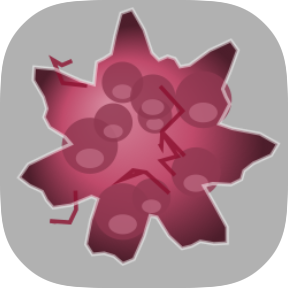
Tumors grow more slowly on this host. Its real-world namesake is called the guardian of the genome, stopping damaged cells from dividing into tumors. Appears once Tumors & Metastasis are unlocked.

Elemental power-ups appear much more often on this host, so you get more chances to grab them. It shows up once Power-ups are unlocked.

Your damage drops on this host, found only in people. Antibodies from past flu partly recognise new strains, and when you play Retrovirus it becomes a mutation that blocks a retrovirus's way in.
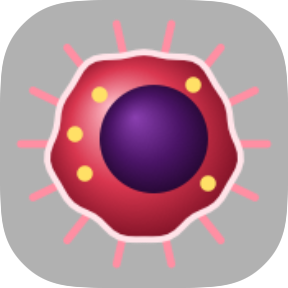
Immune cells have extra health on this host, found only in people. Some HLA types show viral pieces to T cells especially well, and it gets a retrovirus-themed name when you play Retrovirus.
Immune cells move faster here, because regular exercise boosts immune cell circulation, so they're harder to outrun. It's found only in people.

More elite cells show up across this host. It appears once Elite Cells are unlocked, and among animals only farm animals can carry it.

Detection rises faster on this host. In the real world, fever slows viral replication and speeds up immune cells, so the body notices you sooner.

Immune cells hit harder here, much like vaccines such as BCG train innate immune cells. In Pandemic Game Mode, Istanbul can give this trait to every host.

Your max HP is lowered on this host. In the real world, a mucus gene variant makes extra mucus that traps invaders like you.
CRISPR power-ups wear off sooner on this host, so their boosts don't last as long. It appears once Power-ups are unlocked.
Tumors grow faster and spread one extra time on this host. Found only in people, it appears once Tumors & Metastasis are unlocked.
Elemental power-ups wear off sooner on this host, cutting their boosts short, so make every one count. It appears once Power-ups are unlocked.

Every Fruit Bat carries this signature, making immune cells hit softer. Bats dampen inflammation in real life, which lets them carry viruses without getting sick.

Pigs and Seals carry this signature, which brings more mutation orbs. Pig cells carry both bird- and human-type flu receptors, so strains can swap genes inside them.

Every bird host carries this signature: chickens, ducks, gulls, pigeons and penguins. It boosts your damage as Influenza A but weakens it as any other virus.

Dairy Cows, Dromedary Camels and Llamas carry this signature, which pays out extra nucleotides throughout the run. Rarer genomes make the bonus bigger.

Every Dog carries this signature, giving immune cells extra health. It's the one animal signature that always fights you, so expect a tougher host.

White-Tailed Deer, Kangaroos and Reindeer carry this signature, letting you move faster through their bodies. Rarer genomes make the boost stronger.

Chimpanzees, Macaques, Capuchin Monkeys and Ring-Tailed Lemurs carry this signature. It boosts your damage as Retrovirus but weakens it as any other virus.
Conditions
Some hosts live with a condition that bends the whole run, trading a big upside for a big downside. Animals also catch diseases of their own.

Sugary blood means extra nucleotides and slower immune cells. The catch: clearing rooms heals you far less, so guard your health. Found in people and dogs.

A weak immune system: cells have much less health, there are fewer of them and far fewer elites. The trade-off is that you earn fewer nucleotides.

The immune system attacks itself: dying cells burst and hurt their neighbours, never you, and you earn extra nucleotides. But every cell starts alert and hits harder.

Everything runs hot: you fire and move faster, but immune cells move faster too and their shots fly quicker. A fast, frantic host from start to finish.

The body is overwhelmed: you earn far more nucleotides and mutation orbs. But rooms are packed with many more cells and each area has extra rooms. Many animals can have it too.

Sickled red cells let you move faster and land critical hits. The cost is a noticeably lower max HP, so you hit hard but can't take much back.
Thick mucus everywhere slows immune cells and shortens their sight. It slows you down too, so the whole fight plays out at a heavier pace.

A stressed host pays extra nucleotides and grants some critical hits. But Detection starts high, rises much faster and barely cools down, so stealth is tough here.

Blood won't clot, so your damage gets a big boost. But clearing rooms never heals you, so every hit you take lingers.

An allergic overreaction pays out lots of nucleotides and RNA, but brings many more elite cells. Cells are also tougher and hit harder, so the rewards are earned.
Narrowed airways slow immune cells and pay out extra nucleotides. But you move slower too, and the floor has more pits to work around.

An exhausted immune system: cells have less health and hit softer, making fights easier. The cost is far fewer mutation orbs and RNA drops.

Every organ grows a tumor that starts bigger, grows faster and spreads more. Tumors pay out much more and the whole run pays extra. Appears once Tumors & Metastasis unlock.

The drugs wipe out immune cells, leaving them weaker, and shrink tumors so they take more damage. But they poison you too, lowering your max HP.

Another virus is already here, so you start with a random trait of the host's genome tier. But the immune system is primed, giving cells extra health. People and every animal can have it.

A fungus covers the bat, so cells see much less far and you earn extra nucleotides. But you can only see a small circle around you. Fruit Bats only.

A rabid host boosts your damage, but every cell is already alert and moves much faster. Found in fruit bats, dogs, white-tailed deer and reindeer.

Another virus lives here and lowers your damage. In return you get far more RNA and extra nucleotides. Found in fruit bats and pigs.

A hibernating bat: immune cells move much slower and Detection rises much more slowly. But the cold slows your fire rate too. Fruit Bats only.

The pig's cells are dying, so immune cells have much less health. But there are many more of them in every room. Pigs only.

Depends on your virus. As Influenza A, it's pig flu to swap genes with: more damage and more mutation orbs. As any other virus, a competing flu lowers damage but adds nucleotides.

Blistered tissue hurts any cell that touches you and pays extra nucleotides, but you move slower. Found in pigs, dairy cows, camels, llamas and kangaroos.

Spongy, prion-riddled tissue: cells see much less far and Detection rises much slower. But the floor is full of holes to avoid. Dairy Cows only.

Granulomas wall off infection: fewer cells and extra nucleotides. But those cells are tougher and elites are common. Found in dairy cows, camels and llamas.

Tumorous tissue everywhere weakens cells and pays extra nucleotides. The catch is extra rooms in every area, so the run lasts longer. Chickens only.

Extra nucleotides either way. As Influenza A it's another flu to swap genes with, boosting damage but toughening cells; as any other virus, damage drops but cells weaken.

Nervous-system damage makes cells move much slower, but every cell is already alert when you arrive. Found in chickens and pigeons.

Pox lesions leave cells with much less health, but wounded cells slowly regenerate, so finish them off rather than leaving them hurt. Chickens only.
A paralysing toxin slows cells a lot, but you move and fire slower too. Found in mallard ducks, herring gulls and penguins.

A haemorrhaging host: dying cells burst and hurt their neighbours, and you earn extra nucleotides. But the bursts can hurt you too. Mallard Ducks only.
A mosquito-borne brain infection: much more RNA, and cells see less far. But they hit harder. Found in mallard ducks, herring gulls and pigeons.

Slick feathers let you move faster, dash more often and face slower enemy shots. But rooms heal you much less. Found in herring gulls and penguins.

A dizzy, twitching host: you move faster and dash more often. But enemy shots fly faster too, so stay nimble. Pigeons only.

Weakened by distemper, cells have less health. But dying cells burst and can hurt you, so keep some distance. Found in dogs and seals.

Parvovirus wrecked the gut, leaving cells with much less health. But you have less max HP too, so both sides are fragile. Dogs only.
Depends on your virus. As Influenza A it's dog flu to mix with: you fire faster and earn extra nucleotides. As any other virus you fire slower but earn even more.

A wasting deer: cells have much less health. But you have less max HP and cells hit harder, so fights are quick and dangerous. Found in white-tailed deer and reindeer.

Haemorrhagic fever makes dying cells burst and hurt their neighbours, and you earn extra nucleotides. But cells hit harder. Found in white-tailed deer and reindeer.

Another virus is already here, lowering your damage a little. But cells have less health and Detection rises slower. White-Tailed Deer only.

SIV already wrecked this host's defences: cells have much less health and there are few elites. You earn fewer nucleotides, but as Retrovirus you also deal extra damage.

The host is collapsing: fewer cells, and they have less health. But you have less max HP and Detection starts high. Chimpanzees only.

Pox lesions hurt any cell that touches you and give you some critical hits. But rooms hold more cells. Found in chimpanzees, macaques, capuchin monkeys and ring-tailed lemurs.

Worms steal the host's food, leaving cells with less health. But you earn fewer nucleotides too. Any animal can have it.

A starving host has fewer cells, and they move a little slower. But you have less max HP. Any animal can have it.
Lungs full of bacteria distract the cells so they see less far, and you earn extra nucleotides. But rooms hold more cells. Any animal can have it.

Tick-borne inflammation gives you some critical hits and extra nucleotides. But wounded cells regenerate, so finish your targets. Any animal can have it.

An overheated host lets you move faster and dash more often. But you have less max HP and enemy shots fly faster. Any animal can have it.

Poisoned tissue makes cells hit softer and Detection rise slower. But cells have more health, so fights take longer. Any animal can have it.
Zoonosis
Many viruses jump between species, and so can you. Sometimes a run lands on an animal instead of a person, each with its own signature trait and diseases.
Flies over deep forests and limestone caves, and turns up in several Pandemic Game Mode cities. Bat Immune Tolerance makes immune cells hit softer, and it can catch White-Nose Syndrome or Hibernation Torpor.
Grazes on farms, and Nairobi's Livestock Markets put cows on every street in Pandemic Game Mode. Udder Tissue Receptors pay extra nucleotides, and as a farm animal it can carry Up-to-Date Vaccines.
Found on farms and in Nairobi's Livestock Markets. Its Mixing Vessel signature brings more mutation orbs, and it has its own diseases, from African Swine Fever to Foot-and-Mouth Disease.

Pecks around farms and Pandemic Game Mode cities like Lagos and Nairobi. Its avian receptor signature helps Influenza A and hinders other viruses, and it can catch Marek's Disease or Fowlpox.
Walks city streets, parks and mountain trails, and shows up across many Pandemic Game Mode cities. Canine Immunity gives immune cells extra health, the only signature that always fights you.
Paddles on lakes, rivers and park ponds. Its avian receptor signature helps Influenza A and hinders other viruses, and it can catch Duck Plague, Avian Botulism or West Nile Virus.
Wanders forests, mountain trails and riverbanks, plus Vancouver and Novosibirsk in Pandemic Game Mode. Big Deer Lungs let you move faster, and it can carry Chronic Wasting Disease or Rabies.

Glides over boats, cruise ships and lakes, and over many coastal Pandemic Game Mode cities. Its avian receptor signature favours Influenza A, and it can catch Oiled Feathers or Avian Botulism.
Lives in the deep forest and only appears in Infect Game Mode. Its SIV Reservoir signature favours Retrovirus, and it can carry Simian Immunodeficiency, Filovirus Outbreak or Mpox.

Pecks around city streets and parks, from New York to Tokyo in Pandemic Game Mode. Its avian receptor signature favours Influenza A, and it can catch Pigeon Paramyxovirus or Newcastle Disease.

Waddles around polar research stations, including McMurdo Station and Esperanza Base in Pandemic Game Mode. Its avian receptor signature favours Influenza A, and it can catch Avian Botulism or Oiled Feathers.

Hauls out at polar stations and cold harbours, and in Pandemic Game Mode cities like Nuuk and Cape Town. Its Mixing Vessel signature brings more mutation orbs, and it can catch Canine Distemper.

Walks the streets of desert cities like Riyadh, Dubai and Cairo in Pandemic Game Mode. Udder Tissue Receptors pay extra nucleotides, and it can catch Bovine Tuberculosis or Foot-and-Mouth Disease.

Grazes in Perth's parks in Pandemic Game Mode. Big Deer Lungs let you move faster through it, and it can catch Sepsis or Foot-and-Mouth Disease.

Roams Mumbai and Singapore in Pandemic Game Mode. Its SIV Reservoir signature favours Retrovirus and weakens other viruses, and it can carry Simian Immunodeficiency, Sepsis or Mpox.

Swings through the rainforest around Manaus in Pandemic Game Mode. Its SIV Reservoir signature favours Retrovirus, and it can carry Simian Immunodeficiency, Sepsis or Mpox.

Grazes along the trails above Lima in Pandemic Game Mode. Udder Tissue Receptors pay extra nucleotides, and it can catch Sepsis, Foot-and-Mouth Disease or Bovine Tuberculosis.

Found around Antananarivo in Pandemic Game Mode. Its SIV Reservoir signature favours Retrovirus and weakens other viruses, and it can carry Simian Immunodeficiency, Sepsis or Mpox.

Wanders near Nuuk in Pandemic Game Mode. Big Deer Lungs let you move faster through it, and it can catch Chronic Wasting Disease, Epizootic Hemorrhagic Disease or Rabies.
On top of its own diseases, any animal can have Parasitic Worms, Malnutrition, Pneumonia, Lyme Disease, Heat Stress, Lead Poisoning or a Viral Co-infection.
Next up
Five slots, seven rarities, sets, enhancing, combining and mutations.